Table Of Content
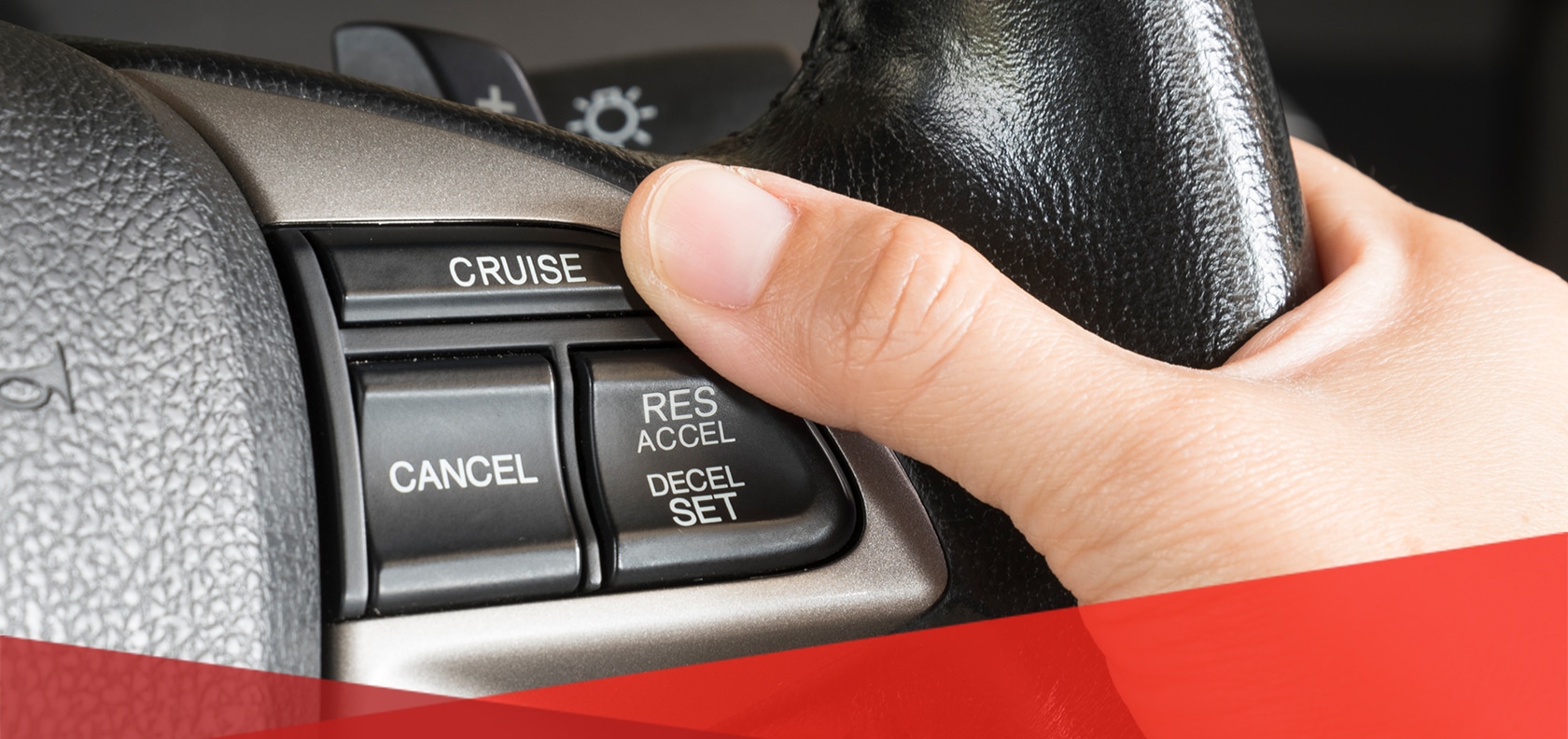
The cruise control system controls the speed of the car by adjusting the throttle position, so it needs sensors to tell it the speed and throttle position. It also needs to monitor the controls so it can tell what the desired speed is and when to disengage. The cruise control system controls the speed of your car the same way you do -- by adjusting the throttle position.
Mission Timeline Summary
Cruise control systems, even adaptable cruise control, may not always detect these streets correctly, causing accidents. As you’re learning how to operate a vehicle, understanding cruise control will help increase your comfort behind the wheel and knowledge of driving. Many of us would admit that we’re not very consistent in maintaining a steady speed on the road, even on motorways. The primary function of cruise control is to make driving more comfortable, but by smoothing out acceleration and deceleration you can save fuel too.
Resume Button
Step 1 - Before activating cruise control, build up speed by accelerating the car. However, do not cross the speed limit of that particular road/highway. As mentioned, cruise control may become inconsistent in rainy, snowy, or otherwise hazardous conditions. If you must drive in this situation, it may be a better idea to do so manually. Cruise control works best on a clear day with constant traffic flow. Adaptive cruise control is just a preview of the technology being developed by both companies.
Safety Tips for Using Cruise Control
The friction of the atmosphere against the surface of the spacecraft slows down and lowers the craft's orbital altitude. The solar panels are used to provide the maximum drag in a symmetrical position that allows some control as the spacecraft passes through the atmosphere. Super Cruise is a next-level driver assistance feature available on certain GM vehicles. Your car’s Antilock Braking System works hand-in-hand with your cruise control system, and any fault with the ABS system will typically take your cruise control offline until it’s fixed. Using cruise control also reduces wear and tear on both your engine and transmission by running things more smoothly and steadily, and reducing workload on both components.
These systems use a small, electronically-controlled valve to regulate the vacuum in a diaphragm. This works in a similar way to the brake booster, which provides power to your brake system. If the car in front suddenly speeds off, however, your car won’t routinely follow it. Instead, the ACC system will hold the pre-set speed until you change it, or it catches up with another vehicle.
Remember, these systems are here to make your drive smoother and safer, but they're not a replacement for your attention. No matter how fancy your cruise control is, these systems can be greatly influenced by external conditions like weather and traffic, and they should always be used as aids, not replacements, for attentive driving. It's like having an extra set of eyes on the road, making highway driving a breeze. Plus, some ACC systems can even handle stop-and-go traffic, bringing your car to a full stop and then picking up speed again when traffic gets moving. This is only the case when driving for longer stretches on wide, clear roads, however. The reason is that there are certain things human drivers are better at than their machine counterparts, and adjusting speed subtly in response to changes in elevation is one of them.
Your vehicle will consume much less fuel if you cruise at a steady speed rather than accelerating at each section of the open road. When you accelerate sharply, it makes your engine use more energy, and you could be using 60% more fuel than one who uses cruise control. Ultimately, it's not hard to save on fuel if you let your vehicle automatically maintain a steady cruising speed. The leading edge of cruise control today is adaptive cruise control. Just as conventional cruise control, adaptive cruise control allows you to set a desired travel speed.
What is Mercedes-Benz Downhill Speed Regulation? - J.D. Power
What is Mercedes-Benz Downhill Speed Regulation?.
Posted: Tue, 08 Aug 2023 07:00:00 GMT [source]
Fuel Efficiency
Conversely, if the car starts to speed up due to a declin (e.g. going downhill), the system will close the throttle to decelerate. Two companies are developing a more advanced cruise control that can automatically adjust a car's speed to maintain a safe following distance. This new technology, called adaptive cruise control, uses forward-looking radar, installed behind the grill of a vehicle, to detect the speed and distance of the vehicle ahead of it. A good cruise control system accelerates aggressively to the desired speed without overshooting, and then maintains that speed with little deviation no matter how much weight is in the car, or how steep the hill you drive up. Controlling the speed of a car is a classic application of control system theory.
Using Cruise Control Safely and Efficiently
For most drivers, using cruise control on the highway at 80 km/h can reduce fuel consumption by about 20 per cent. For drivers who find difficulty in maintaining a steady speed and frequently experience big fluctuations, using cruise control can cut fuel use by over 40 per cent. While cruising, even a highly competent driver who isn’t using cruise control will tend to slow down and speed up in a repeated cycle, possibly several times per minute. Though fluctuations in speed may be slight, they do cause your engine to use more fuel than required. Point is, the more time you spend at a steady speed, the less fuel your engine needs. In other cars with a manual transmission, pressing the clutch pedal simply pauses the cruise control system a moment, allowing drivers to complete their gearshift.
The “Resume” button, also known as the “Accel” button, allows the driver to restore the previously set speed after it has been canceled or temporarily interrupted. When the driver presses the “Resume” button, the cruise control system accelerates the vehicle to the previously set speed. Cruise control is a valuable feature that can enhance your driving experience by providing comfort, convenience, and fuel efficiency. Remember to use it safely and appropriately based on driving conditions, and always stay attentive while on the road.
The most important input is the speed signal; the cruise control system does a lot with this signal. First, let's start with one of the most basic control systems you could have -- a proportional control. Another inventor named Harold Exline, working independently of Riley, also invented a type of cruise control that he first installed on his car and friends' cars. To ensure a successful entry, descent, and landing, engineers began intensive preparations during the approach phase, about 45 days before the spacecraft entered the Martian atmosphere. It lasted until the spacecraft entered the Martian atmosphere, which extends 2,113 miles (3,522.2 kilometers) as measured from the center of the Red Planet.
Many systems set the cruise control at the current speed, while others require you to manually set one. You can increase and decrease this speed as needed without interrupting the mechanism. Cruise control has come a long way since first invented and patented by Ralph Teetor in 1950, who originally named it the “Speedostat”. Chrysler Corporation was the first manufacturer to offer the groundbreaking mechanism as an option on several of its luxury vehicle models nine years later. Today, cruise control is rapidly becoming the standard on all new vehicles, providing drivers with increased convenience on their daily drive. In the picture above, you can see two cables connected to a pivot that moves the throttle valve.
Your vehicle’s engine, transmission and other components are designed to work hand-in-hand with its cruise control system and are extensively tested and integrated with one another for trouble-free performance. Cruise control offers several benefits to drivers, especially during long road trips or highway driving. Here are some of the most commonly asked questions related to cruise control in cars. Newly launched cars are equipped with cruise control except for a few entry-level models. So, instead of investing in retrofitting a system, it's better and safer to spend that money on buying a car with a built-in system. One minute you’re driving your car and everything seems fine, and the next moment you hear a strange noise coming from your car as you accelerate.
Driving while fatigued is never a good idea, but even less so while using cruise control. Utilizing the system may add to your fatigue, as you give your vehicle more control of the journey. If you’re even the least bit tired, you should never turn on cruise control. The brain of a cruise control system is a small computer that is normally found under the hood or behind the dashboard. It connects to the throttle control seen in the previous section, as well as several sensors. The diagram below shows the inputs and outputs of a typical cruise control system.
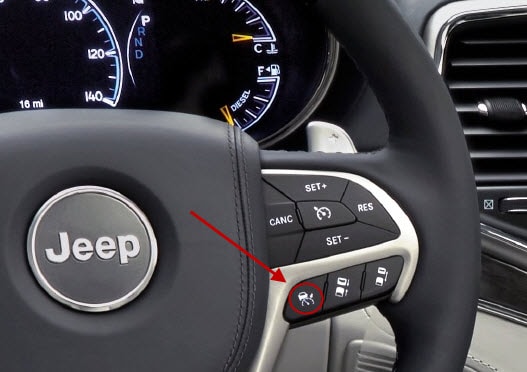
More modern vehicles with electronic throttle and monitoring systems make this problem even less likely. With adaptive cruise control, the vehicle will also automatically slow down and speed up to maintain a safe position in traffic. The earliest variants of cruise control were actually in use even before the creation of automobiles. The inventor and mechanical engineer James Watt developed a version as early as the 17th century, which allowed steam engines to maintain a constant speed up and down inclines. Cruise control as we know it today was invented in the late 1940s, when the idea of using an electrically-controlled device that could manipulate road speeds and adjust the throttle accordingly was conceived. To activate cruise control, the driver typically presses a “Set” button or engages a switch on the steering wheel or dashboard.
Drivers set their cruising speed with a button press, and the system works the throttle automatically to maintain the desired cruising speed as evenly as possible. In some vehicles with a manual transmission, pressing the clutch pedal to shift gears turns the cruise control off, requiring an additional button press to reengage it after a gear change. Cruise control is a system in cars that automatically controls the speed of the car.


No comments:
Post a Comment